

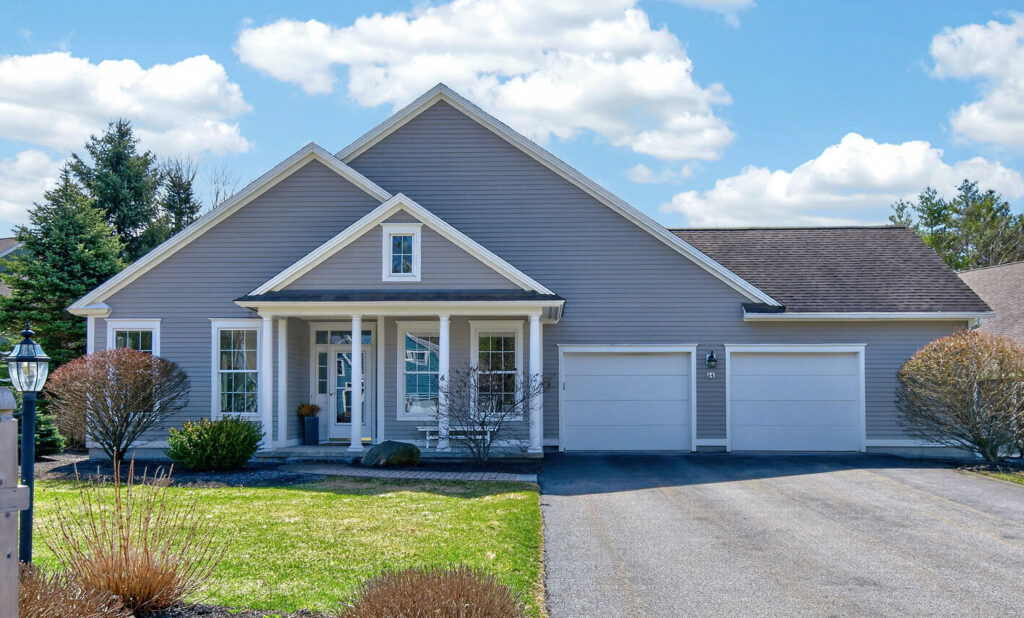
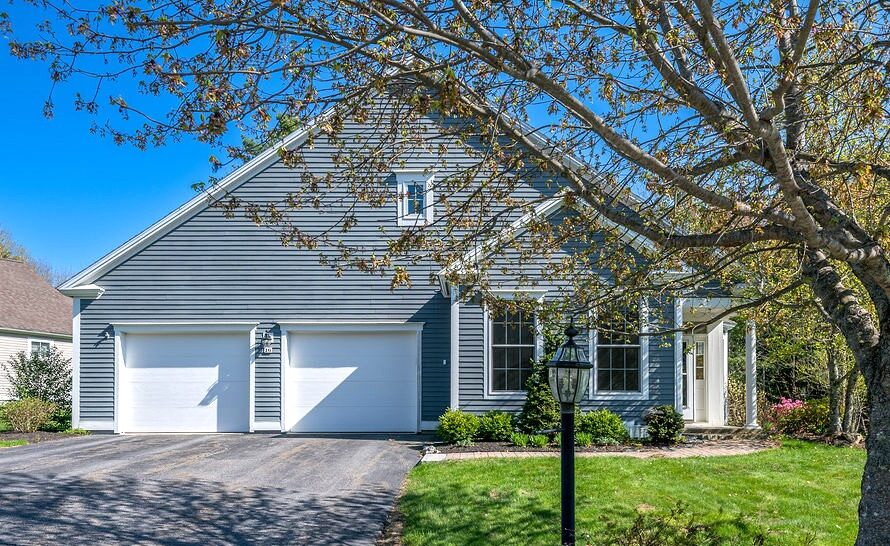

Heading into their 65th birthdays, Rob and Marianne Barry have done a lot of the downsizing you’d expect for people their age. They sold their 18-acre homestead in Cazenovia, New York, which included a 175-year-old farmhouse and a herd of goats. Rob stepped back from the commercial cleaning business he ran for 40 years. Marianne transitioned her home-goods and women’s-clothing shop, Old and Everlasting, into a wholesale greeting card operation. They moved to Topsham, near the Maine coast where they’d enjoyed so many vacations.
But the Barrys have no intentions of retiring any time soon. Last year, they reopened Old and Everlasting in Wiscasset.
“We really like the sense of purpose we get from running a business,” Rob says. “If you’re doing something you love, it doesn’t really feel like work.”
The Barrys have plenty of company. They’re part of a global wave of older adults who are working beyond the age that has been conventionally reserved for retirement. Many are looking to Maine — where 28 percent of the workforce is 55 or older, compared to 23 percent nationwide — as the perfect “pre-tirement” setting, with its low housing costs relative to major metros, beautiful landscape, and wealth of opportunities for outdoor recreation, plus improving broadband connectivity that makes remote work more feasible.
“In Maine, you can have this live/work/place balance,” says Jim Damicis, of Scarborough, a senior vice president at the economic consulting firm Camoin 310. “You can be working by an ocean in the summer, near the mountains in the winter, and be near Boston year-round without paying big-city prices.”
Another draw, according to Lori Parham, state director of AARP Maine, is that so many Maine communities are working to be more livable for older adults, with projects like pedestrian improvements and development of accessible trails. Seventy-one communities in Maine have joined AARP’s Age-Friendly Network, which provides a roadmap to improvements in eight domains that influence quality of life for older residents.
Because of the relatively small size of most Maine towns, older adults may find it easier to be more intimately involved in community affairs as they throttle back on their professional lives. “It’s small enough that you can have an impact and make connections,” Damicis says. Click HERE to read more.
Downeast.com Sponsored Content